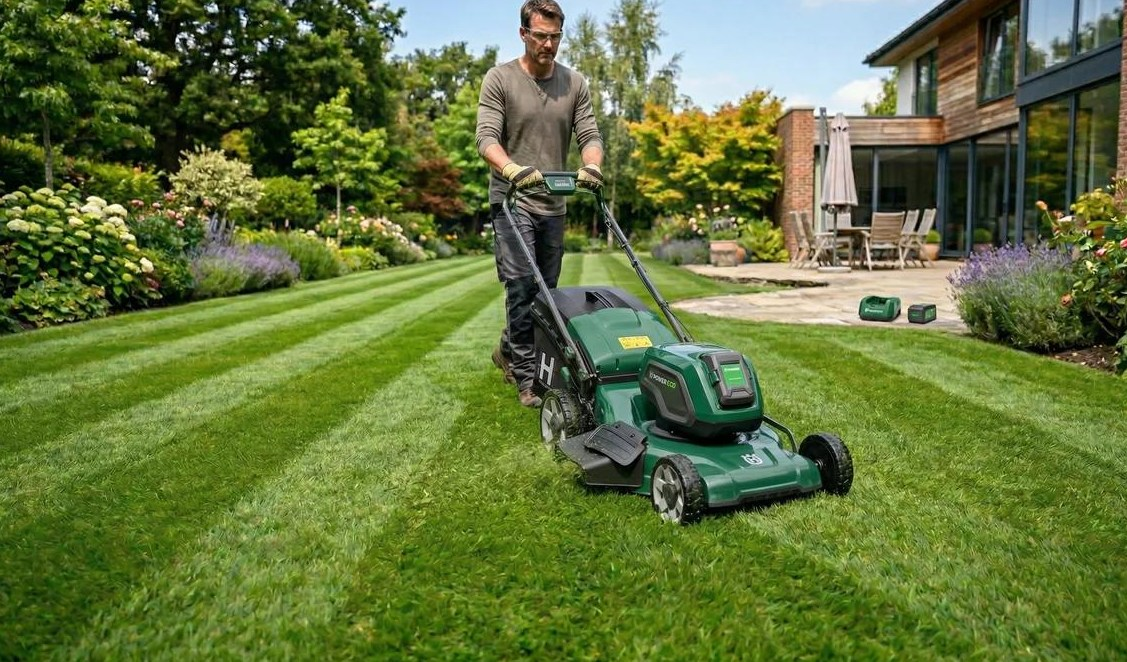
How Often Should You Mow Your Lawn? A Complete Guide to Healthy Grass
A well-maintained lawn can make a garden look cleaner, greener, and more inviting. But keeping grass in good condition requires more than simply cutting it whenever it starts looking too long.
One common question among homeowners is: How often should you mow your lawn?
The answer depends on several factors, including the grass type, weather conditions, growing season, and the appearance you want to achieve.
During spring and summer, grass can grow relatively quickly and may require regular mowing. In colder months, growth slows down, meaning you can reduce mowing frequency or stop altogether.
In this guide, we explain how often to mow your lawn, the ideal grass cutting height, the best time to mow, and how to maintain a healthy lawn throughout the year.
How Often Should You Mow Your Lawn?
For most residential gardens, mowing once a week during periods of active growth is a reasonable starting point.
However, your lawn may need more or less frequent mowing depending on the weather and how quickly the grass grows.
Here is a general guide:
| Season | Recommended mowing frequency |
|---|---|
| Spring | Once a week, depending on growth |
| Summer | Every 7–14 days, depending on weather |
| Autumn | Every 1–2 weeks while grass continues growing |
| Winter | Usually no mowing needed |
These are general recommendations rather than fixed rules. Grass growth depends heavily on temperature, rainfall, sunlight, and soil conditions.
During warm and rainy periods, grass may grow quickly. During hot and dry weather, growth often slows down.
The best approach is to observe your lawn rather than follow a strict mowing schedule.
What Is the Ideal Grass Cutting Height?
Cutting your grass at the correct height is important for maintaining a healthy lawn.
If you cut it too short, the grass can become stressed, and the soil may lose moisture more quickly. Leaving it slightly longer can help protect the lawn, particularly during dry weather.
For ordinary residential lawns, a cutting height of approximately 3–5 cm is a useful general target.
Consider these guidelines:
- 3–4 cm: Suitable for many regularly maintained lawns.
- 4–5 cm: A practical height for general garden use.
- 5–6 cm: Worth considering for shaded lawns or during dry periods.
The ideal height also depends on the grass variety and your preferred lawn appearance.
Avoid Cutting Too Much Grass at Once
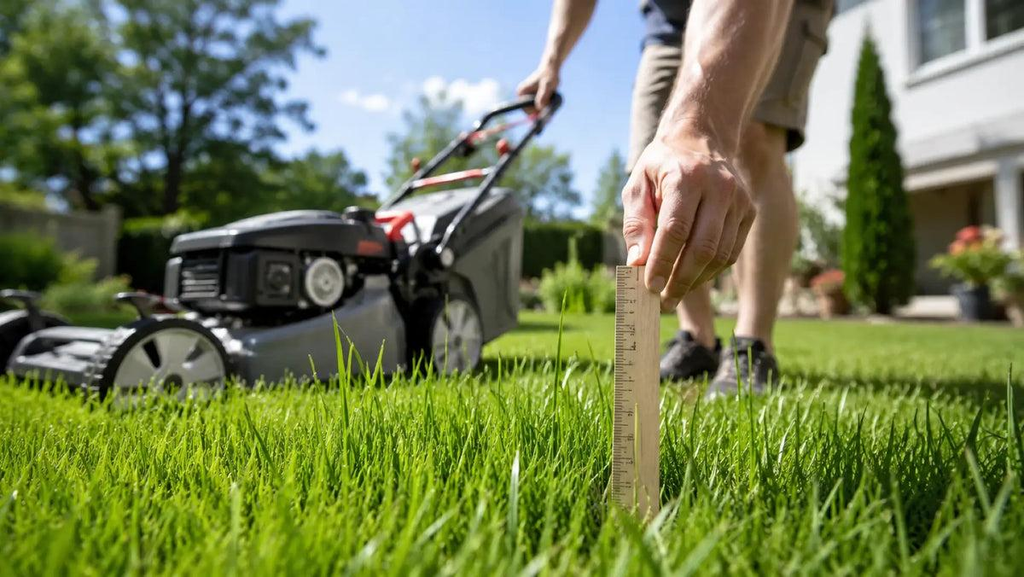
One of the most important lawn mowing rules is to avoid removing more than one-third of the grass height in a single session.
For example, if your grass is 9 cm tall, avoid cutting it down to 3 cm immediately.
Instead, reduce the height gradually over several mowing sessions.
This helps reduce stress on the grass and encourages healthier growth.
When Is the Best Time to Mow Your Lawn?
The best time to mow your lawn is generally when the grass is dry and the weather conditions are suitable.
Late morning or early afternoon can be convenient because the morning dew has usually disappeared.
However, avoid mowing during extreme heat or when the lawn is suffering from drought.
Here are some practical recommendations:
1. Avoid Mowing Wet Grass
Wet grass can stick to mower blades, produce uneven cuts, and make grass collection more difficult.
It can also make the ground slippery, increasing the risk of accidents.
If possible, wait until the grass has dried before mowing.
2. Avoid Mowing During Extreme Heat
During hot summer weather, cutting grass too short can increase stress and moisture loss.
Consider raising the cutting height and reducing mowing frequency when necessary.
3. Avoid Mowing Frozen Grass
Frozen grass can be damaged by mower blades and foot traffic.
Wait until the lawn has thawed and conditions improve.
How to Mow Your Lawn Properly
A good mowing routine does not need to be complicated. A few simple practices can make a noticeable difference.
1. Prepare the Lawn
Before starting, remove stones, branches, toys, and other objects from the mowing area.
Check the lawn for holes, uneven surfaces, and obstacles.
This is particularly important when using a robotic lawn mower because objects left on the grass can interfere with mowing.
2. Adjust the Cutting Height
Choose a suitable cutting height before starting.
If the grass is long, begin with a higher setting and gradually reduce it over subsequent sessions.
Avoid cutting too much at once.
3. Keep the Mower Blades Sharp
Dull mower blades can tear grass instead of producing a clean cut.
Inspect the blades regularly and replace or sharpen them according to the manufacturer’s instructions.
A clean cut helps maintain a neat-looking lawn.
4. Change Your Mowing Direction
If you use a traditional lawn mower, occasionally changing your mowing direction can help prevent the grass from leaning in one direction.
It can also help create a more even appearance.
5. Trim the Lawn Edges
After mowing, check the edges around flower beds, fences, paths, and other garden features.
A lawn mower may not reach every corner, so a separate grass trimmer can help achieve a cleaner finish.
Does a Robotic Lawn Mower Keep Grass Healthier?
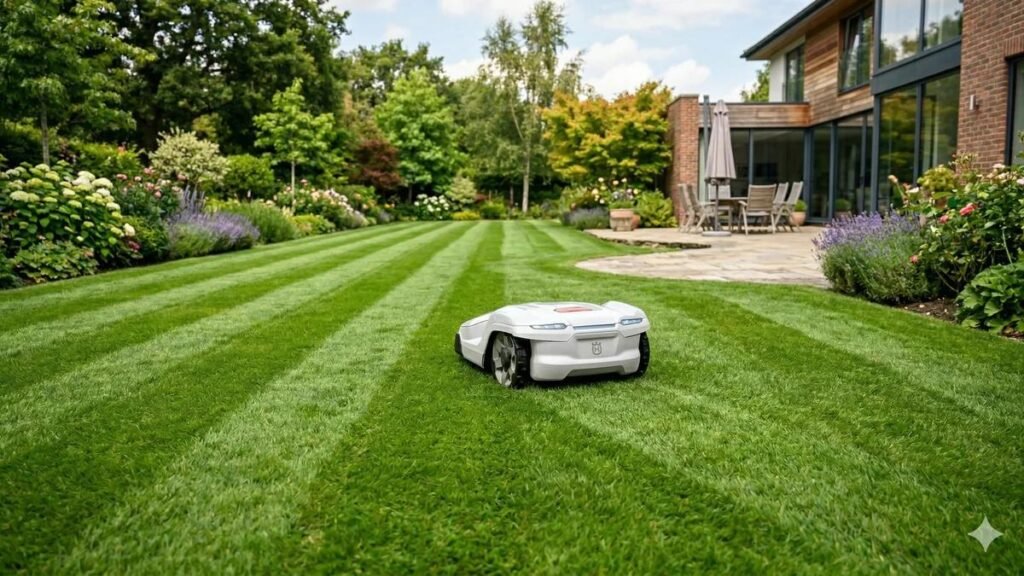
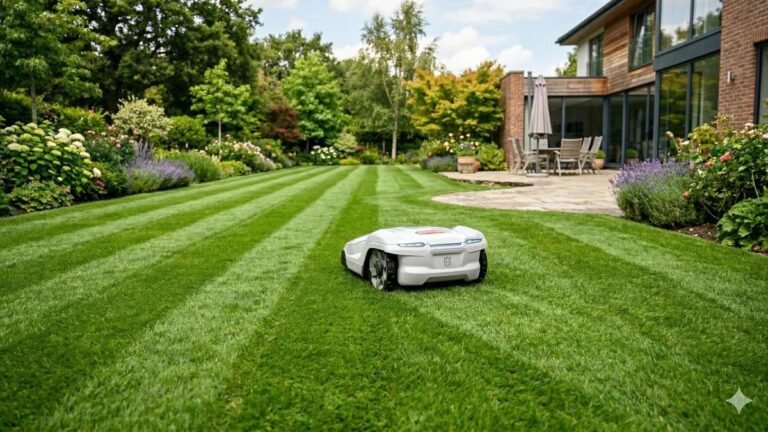
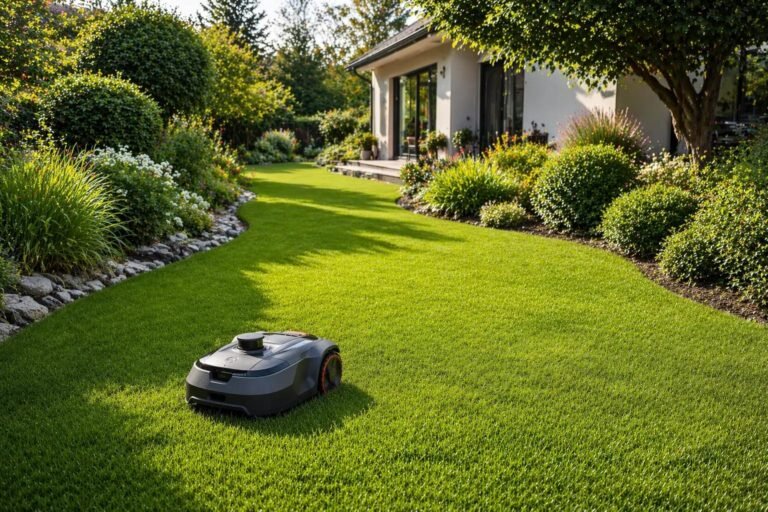
A robotic lawn mower works differently from a traditional lawn mower.
Instead of cutting the entire lawn in one session, it usually operates regularly and removes small amounts of grass during each mowing cycle.
This frequent trimming can help maintain a consistent lawn appearance.
Many robotic lawn mowers also return automatically to their charging stations when their batteries need recharging.
Some models offer app-based scheduling, multiple mowing zones, and automatic mapping.
However, they are not suitable for every garden.
Before buying one, consider your lawn size, garden layout, slopes, trees, and other obstacles.
If you are considering an automatic mower, read our guide to the best robotic lawn mowers for different garden sizes.
Robotic Lawn Mowers Worth Considering
Different robotic lawn mowers offer different navigation systems and lawn coverage.
Here are two models worth comparing:
Anker eufy E15 Robotic Lawn Mower
The eufy E15 uses camera-based navigation and does not require a traditional boundary cable or separate RTK reference station.
It is designed for lawns of up to 800 m² according to the manufacturer’s specifications.
Read our detailed eufy E15 robotic lawn mower review to learn about its navigation, features, advantages, and limitations.
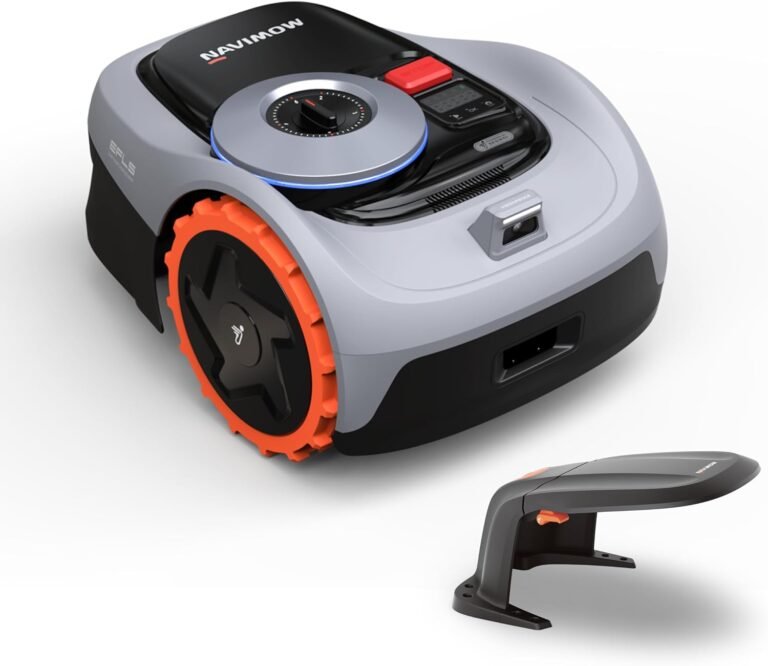
Segway Navimow i105E
The Segway Navimow i105E combines RTK satellite positioning with camera-based vision technology.
It is designed for lawns of up to 500 m² and offers automatic mapping and app-based controls.
Read our Segway Navimow i105E review to understand whether it is suitable for your garden.
Both models are worth researching, but their navigation systems have different requirements. Consider your garden layout before choosing between them.
Traditional Cordless Lawn Mower vs Robotic Lawn Mower
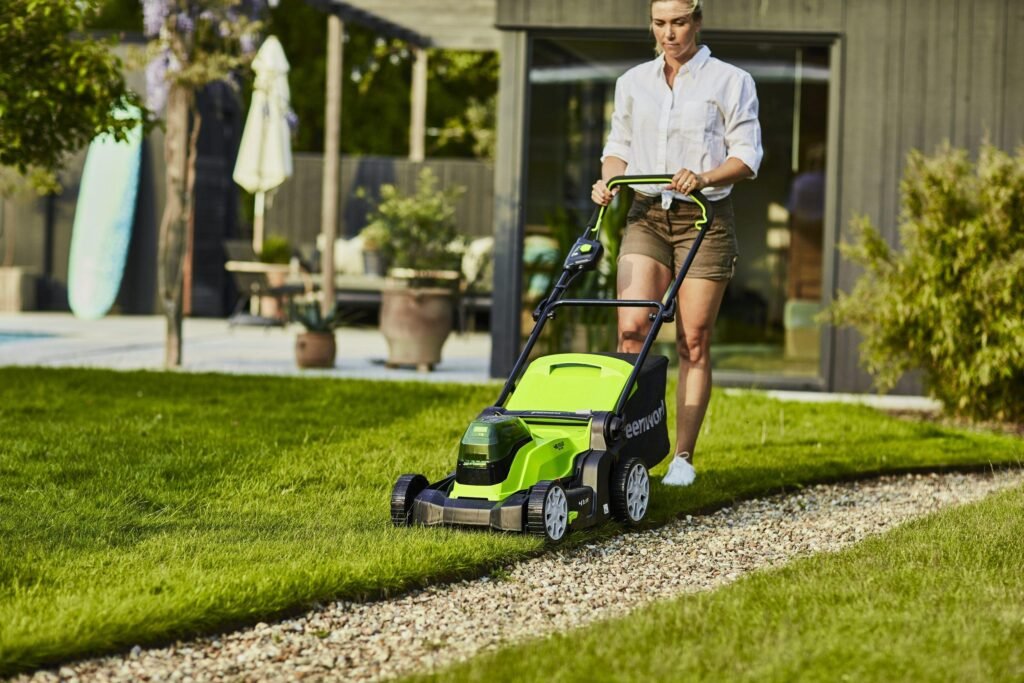
Not everyone needs an automatic lawn mower.
A traditional cordless mower can be a practical choice if you prefer to mow your garden yourself and want more control over the cutting process.
Here is a simple comparison:
| Feature | Cordless Lawn Mower | Robotic Lawn Mower |
|---|---|---|
| Operation | Manual | Automatic |
| Mowing schedule | Whenever you choose | Scheduled operation |
| Physical effort | Required | Minimal |
| Installation | Generally simple | Depends on navigation system |
| Maintenance | Blade and battery care | Blade, battery, cleaning and system care |
| Best suited for | People who prefer manual mowing | People who want automated lawn maintenance |
Is a Cordless Lawn Mower Worth Considering?
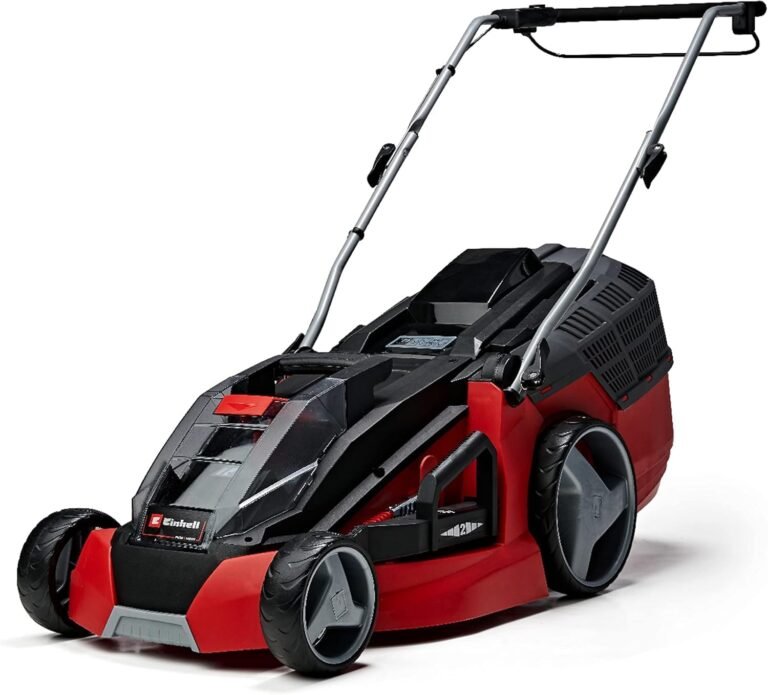
If you prefer a traditional mower, the Einhell GE-CM 43 Li M is one option to consider.
It offers a 43 cm cutting width, a 63-litre grass collection basket, two included 4.0 Ah batteries, and a mulching function.
According to its product specifications, it is designed for lawns of up to 600 m².
Read our Einhell GE-CM 43 Li M cordless lawn mower review for a closer look at its features, strengths, and limitations.
Seasonal Lawn Mowing Tips
Your mowing routine should change throughout the year.
Spring
Spring is when grass starts growing more actively.
- Remove leaves and debris left from winter.
- Check the condition of the lawn.
- Start mowing when grass growth resumes.
- Use a higher cutting setting for the first few sessions.
- Check mower blades and equipment before regular use.
Avoid mowing when the ground is waterlogged or frozen.
Summer
Summer is often the busiest period for lawn maintenance.
- Mow according to actual grass growth.
- Avoid cutting grass too short.
- Raise the cutting height during dry periods.
- Water when necessary.
- Avoid mowing during extreme heat.
A slightly longer lawn can help protect the soil and grass during hot weather.
Autumn
As temperatures fall, grass growth gradually slows.
- Reduce mowing frequency as growth decreases.
- Remove fallen leaves regularly.
- Continue mowing when the grass is actively growing.
- Check lawn drainage and remove accumulated debris.
- Prepare mowing equipment for winter storage.
Winter
In winter, many lawns require very little maintenance.
Avoid mowing when the grass is frozen or the ground is waterlogged.
Instead, focus on removing heavy accumulations of leaves and preparing your garden equipment for the next growing season.
If you own a robotic lawn mower, follow the manufacturer’s instructions for winter cleaning, battery storage, and protection of the charging station.
Common Lawn Mowing Mistakes to Avoid
Even a regular mowing routine can produce disappointing results if you make some common mistakes.
Here are a few things to avoid:
Cutting grass too short
Removing too much grass can stress the lawn and expose more soil to sunlight.
Mowing wet grass
Wet conditions can produce uneven cutting and make mowing more difficult.
Using dull blades
Dull blades can damage grass and create an untidy appearance.
Following the same mowing schedule all year
Grass growth changes with the seasons. Adjust your mowing frequency according to weather and growth.
Ignoring lawn edges
Grass around fences, paths, and flower beds may require separate trimming.
Forgetting mower maintenance
Clean your mower regularly and inspect its blades, battery, and other components.
Final Thoughts
Knowing how often to mow your lawn can make garden maintenance easier and help you maintain healthier-looking grass.
For many residential gardens, weekly mowing during active growth is a useful starting point. However, the ideal frequency depends on the weather, grass growth, and season.
Remember to choose an appropriate cutting height, avoid removing more than one-third of the grass at once, and keep your mower blades in good condition.
If you want to spend less time mowing, a robotic lawn mower may be worth considering. If you prefer to control the mowing process yourself, a cordless lawn mower can be a practical alternative.
Before buying, compare the available models and consider your garden size, budget, and maintenance requirements.
For more advice, explore our robotic lawn mower comparison guide and individual product reviews to find equipment that suits your garden.