Garden Maintenance Tips: How to Keep Your Lawn Healthy and Green
A beautiful garden can transform your outdoor space into a relaxing place for your family and friends. However, keeping your garden looking its best requires regular care, the right tools, and a little planning.
Whether you have a small backyard, a large lawn, or a garden filled with flowers and shrubs, following a few simple garden maintenance tips can make a big difference. From watering plants and controlling weeds to mowing the lawn and maintaining garden equipment, every small step helps create a healthier outdoor environment.
The good news is that garden maintenance does not have to take up all your free time. With a consistent routine and useful tools, you can maintain a beautiful garden without spending every weekend working outdoors.
In this guide, we will explore practical lawn care tips, seasonal gardening tasks, and modern tools that can help make garden maintenance easier.
1. Mow Your Lawn Regularly
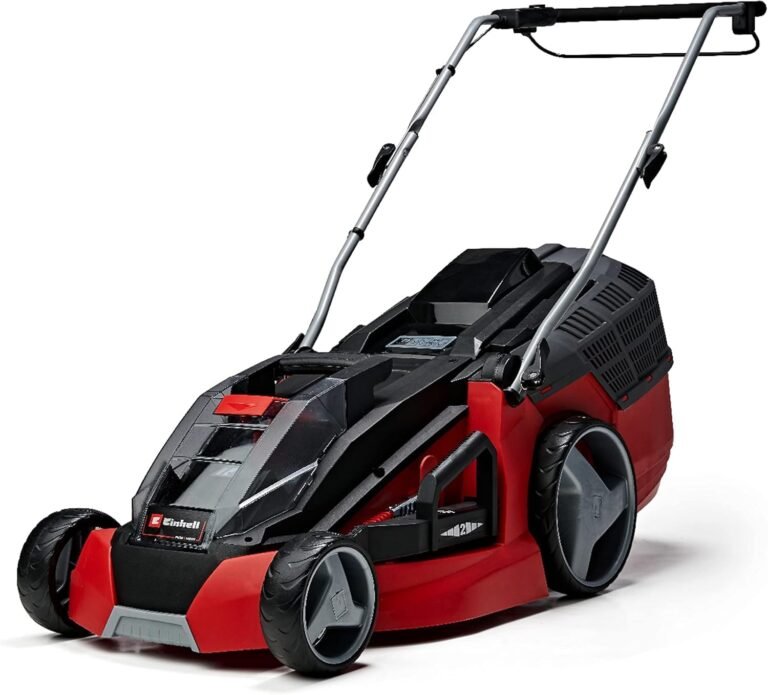
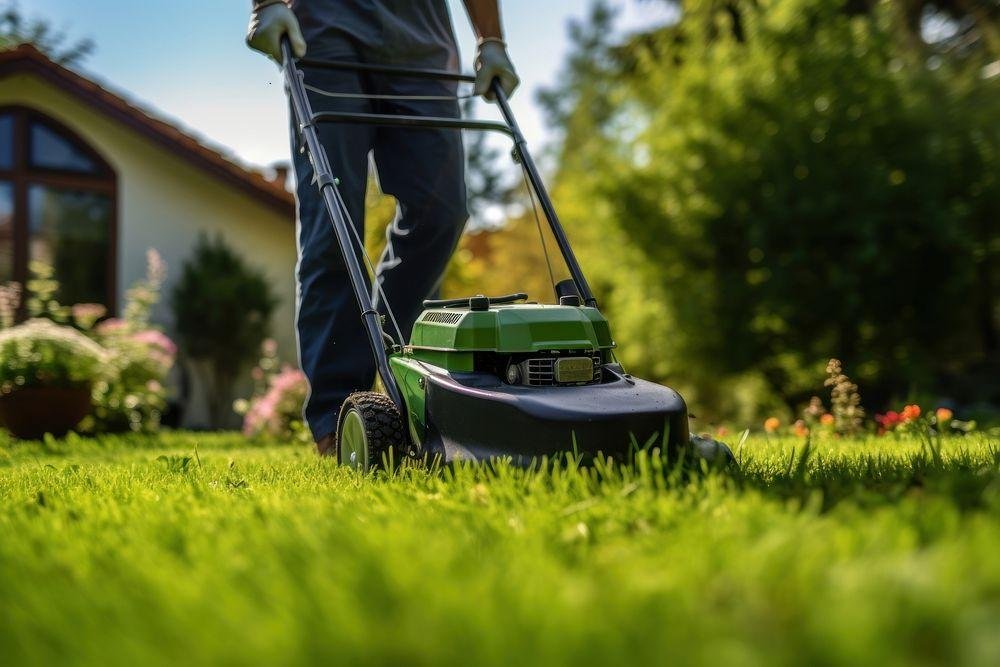
Regular lawn mowing is one of the most important parts of maintaining a healthy garden. Cutting the grass consistently helps your lawn look neat and prevents it from becoming overgrown.
However, mowing is not simply about keeping the grass short. Cutting too much grass at once can put unnecessary stress on the lawn, particularly during hot or dry weather.
Here are some useful lawn mowing tips:
- Avoid cutting more than one-third of the grass height in a single mowing session.
- Keep mower blades sharp for a clean cut.
- Adjust the cutting height according to the season and grass condition.
- Avoid mowing when the ground is excessively wet.
- Remove large branches, stones, and other debris before mowing.
For many gardens, frequent light mowing is better than allowing the grass to grow too long between cuts.
Make Lawn Maintenance Easier With a Robotic Lawn Mower
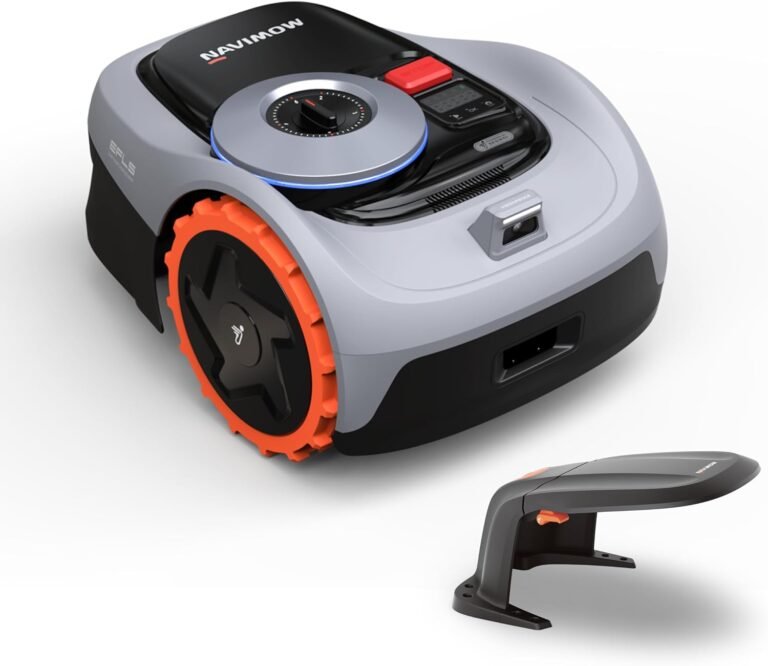
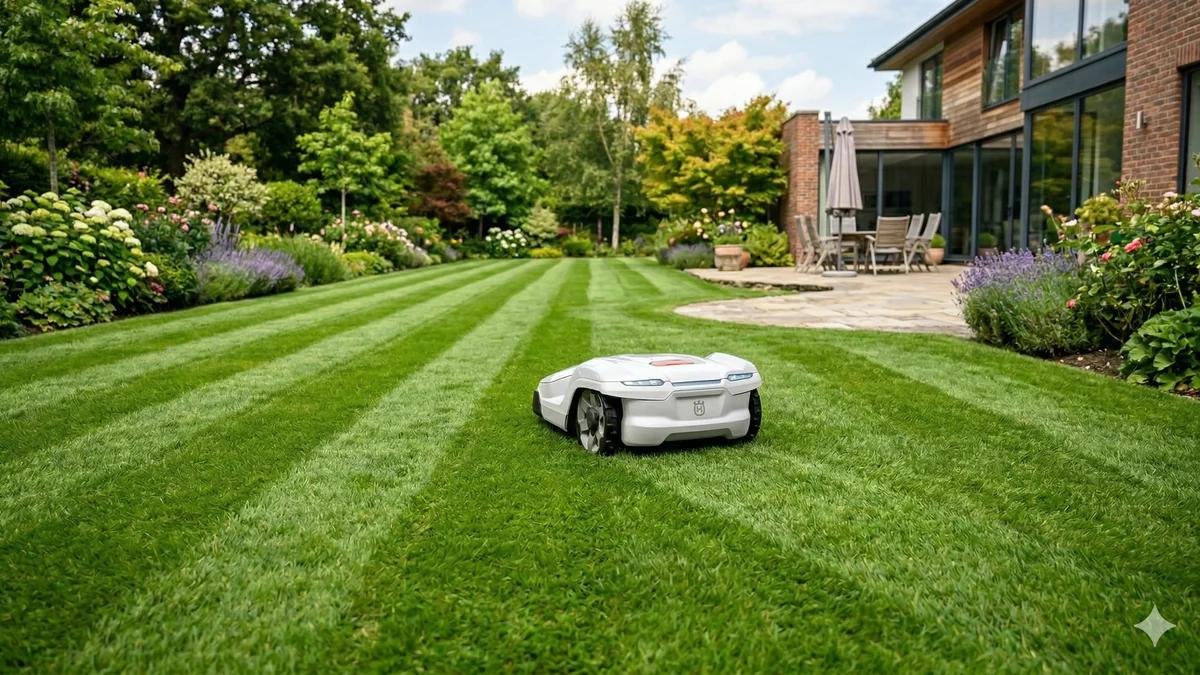
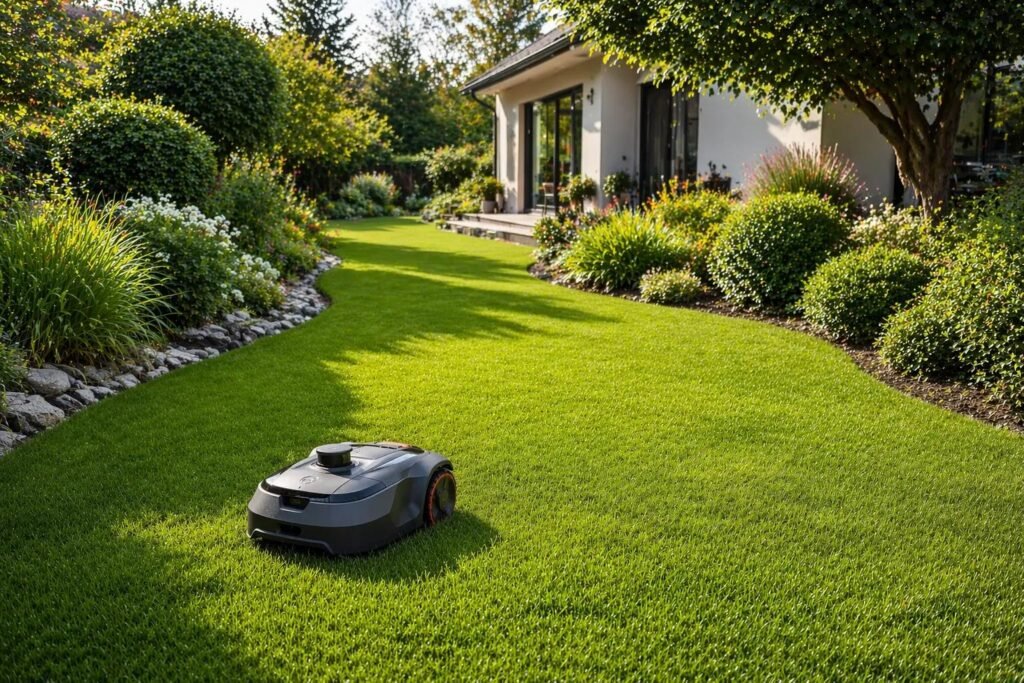
If you want to spend less time mowing, a robotic lawn mower can be a practical solution.
These automatic lawn mowers work according to a schedule and regularly trim small amounts of grass. Many models return to their charging stations automatically when their batteries need recharging.
Depending on the model, you can also control mowing schedules through a smartphone app.
A robotic lawn mower can be particularly useful if you have a busy schedule and want to maintain a consistently tidy lawn without pushing a traditional mower around your garden.
However, choosing the right model is important. Consider your lawn size, garden layout, slopes, navigation system, and budget before buying.
Looking for the right model? Explore our robotic lawn mower reviews to compare features, understand the advantages and disadvantages of different models, and find an option that suits your garden.
2. Water Your Garden Properly
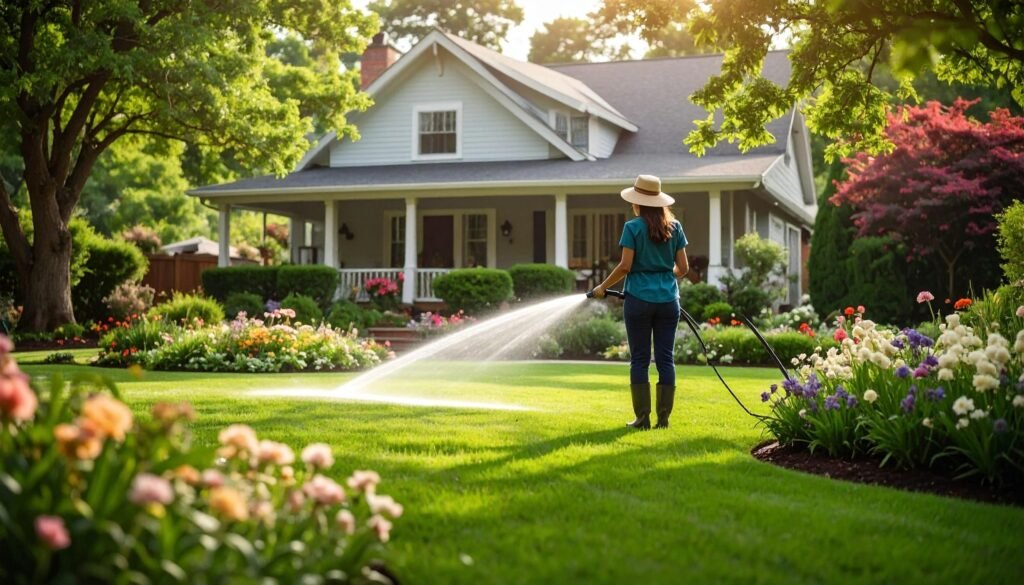
Water is essential for healthy grass, flowers, shrubs, and trees. However, watering too frequently or using too much water can waste resources and sometimes encourage shallow root growth.
The right watering routine depends on your soil, climate, plant varieties, and recent rainfall.
Follow these simple watering tips:
- Water deeply when your plants and lawn need moisture rather than watering lightly every day.
- Water early in the morning when practical to reduce evaporation.
- Check the soil before watering flower beds and containers.
- Give newly planted flowers and shrubs extra attention while their roots establish.
- Adjust watering during rainy or unusually hot periods.
Established lawns may require less watering than newly planted grass. During dry weather, avoid unnecessary mowing and consider raising the cutting height to reduce stress on the grass.
Collecting rainwater can also help reduce your garden’s dependence on mains water where permitted and practical.
3. Remove Weeds Before They Spread
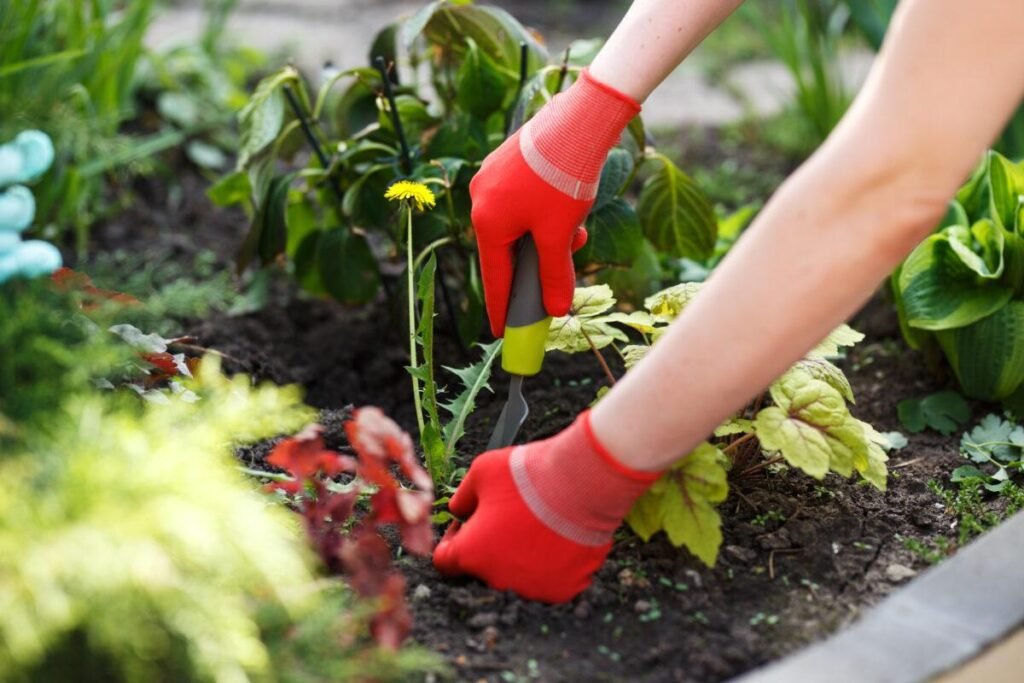
Weeds compete with garden plants and grass for water, light, and nutrients. If left unchecked, they can spread quickly and become more difficult to control.
Regular inspection is one of the simplest ways to keep weeds under control.
Try these methods:
- Remove small weeds before they produce seeds.
- Pull out roots where practical.
- Keep flower beds covered with a suitable layer of mulch.
- Fill bare patches in the lawn to reduce opportunities for weeds to establish.
- Inspect paths, patios, and the edges of garden beds regularly.
Avoid using weed killers unnecessarily, particularly near ponds, vegetable gardens, pets, and children’s play areas. Always follow the product label and local regulations if you use any garden treatment.
A few minutes of weeding each week can prevent a much bigger job later.
4. Feed Your Lawn and Plants When Needed
Healthy soil provides the foundation for a healthy garden. Plants need nutrients to grow, but adding too much fertiliser can damage plants and contribute to water pollution.
Before applying lawn fertiliser, consider the condition of your grass and the type of soil you have.
Useful practices include:
- Choose a fertiliser appropriate for your lawn or plant species.
- Follow the recommended application rate.
- Apply fertiliser during suitable growing conditions.
- Avoid applying fertiliser immediately before heavy rainfall.
- Consider a soil test if your lawn repeatedly develops problems.
Compost is another useful option for improving soil structure and adding organic matter to garden beds.
Remember that fertiliser cannot solve every lawn problem. Poor drainage, compacted soil, unsuitable grass varieties, and insufficient sunlight can also affect lawn health.
5. Prune Trees, Shrubs, and Garden Plants
Pruning helps keep many plants in good condition, controls their size, and removes damaged or diseased growth.
However, different plants have different pruning requirements. Pruning at the wrong time can remove flowers or affect plant development.
For better results:
- Remove dead or damaged branches when appropriate.
- Use clean, sharp pruning tools.
- Learn the preferred pruning season for each plant.
- Avoid cutting back shrubs aggressively without checking their requirements.
- Seek professional help for large branches or work at height.
Flowering shrubs deserve particular attention because some varieties bloom on old wood while others flower on new growth.
Understanding the plants in your garden will help you maintain their appearance while supporting healthy growth.
6. Look After Your Garden Tools
Good garden maintenance becomes much easier when your tools are clean, sharp, and ready to use.
Poorly maintained equipment can produce disappointing results and may become unsafe.
Make tool care part of your regular routine:
- Clean soil and grass from tools after use.
- Keep pruning blades sharp.
- Inspect mower blades and replace damaged parts as necessary.
- Store electrical equipment in a dry place.
- Follow the manufacturer’s instructions for battery care.
- Check handles, cables, and other components for damage.
For robotic lawn mowers, regular maintenance is important too. Grass residue can collect underneath the machine, while blades gradually become dull.
Before cleaning or inspecting a robotic mower, switch it off and follow the manufacturer’s safety instructions. Remove or isolate the battery where the design and instructions require it.
Keeping your equipment in good condition can help extend its useful life and maintain reliable performance.

7. Prepare Your Garden for Each Season
Garden maintenance changes throughout the year. A seasonal routine helps you focus on the tasks that matter most.
Spring: Prepare for New Growth
Spring is a good time to inspect your lawn after winter and prepare your garden for the growing season.
Consider these tasks:
- Remove fallen branches and accumulated debris.
- Check for damaged grass and bare patches.
- Start mowing when the grass is actively growing.
- Prepare flower beds and add compost where needed.
- Inspect garden tools and mowing equipment.
If you use a robotic lawn mower, check the blades, charging station, settings, and mowing area before restarting regular schedules.
Summer: Protect Your Garden From Heat
Summer maintenance focuses on managing growth and reducing heat stress.
Remember to:
- Water plants according to their needs.
- Avoid cutting grass excessively short.
- Remove weeds before they spread.
- Trim hedges when appropriate for the species and season.
- Check that garden equipment is operating correctly.
During very hot and dry weather, a slightly longer lawn can help protect the soil from excessive drying.
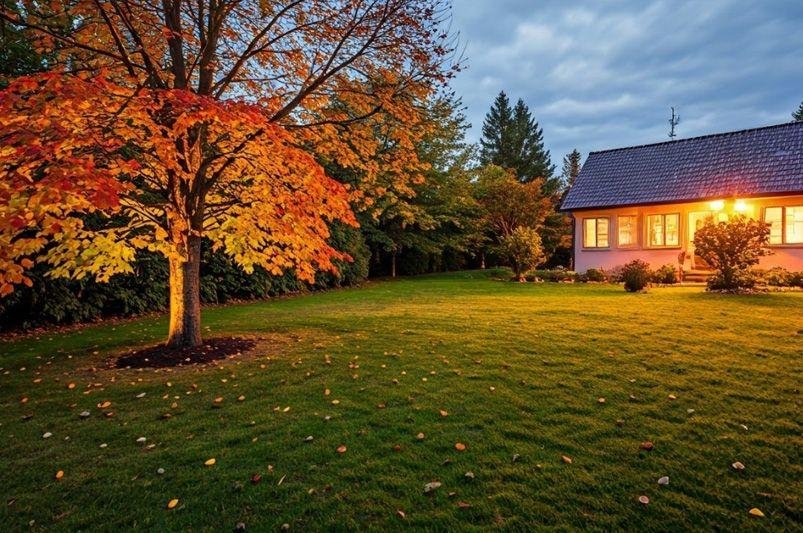
Autumn: Clear Leaves and Prepare for Winter
Fallen leaves can accumulate quickly, particularly beneath trees and shrubs.
A thick layer of leaves left on the lawn can block light and contribute to poor grass condition.
During autumn:
- Remove heavy accumulations of fallen leaves.
- Clear drains and pathways.
- Remove dead annual plants where appropriate.
- Continue mowing while the grass is actively growing.
- Inspect tools and equipment before winter storage.
Winter: Protect Your Garden Equipment
In colder climates, grass growth often slows significantly during winter.
Avoid mowing when the lawn is frozen or waterlogged. Instead, focus on protecting plants, maintaining paths, and preparing equipment for the next growing season.
For a robotic lawn mower, follow the manufacturer’s guidance for winter storage. Depending on the model, this may involve cleaning the machine, charging or storing its battery according to instructions, and keeping the mower and charging station protected from unsuitable weather conditions.
8. Choose the Right Robotic Lawn Mower for Your Garden
A robotic lawn mower can reduce the effort required for regular lawn maintenance, but not every model suits every garden.
Before buying one, think about the following factors.
Lawn Size
Check the manufacturer’s recommended maximum lawn area. Choose a mower that can comfortably handle your actual lawn, taking its shape and obstacles into account.
A model designed for a small garden may struggle to maintain a much larger lawn.
Navigation System
Robotic lawn mowers use different navigation technologies.
Some models follow boundary wires, while others use satellite positioning, cameras, or other sensor-based systems.
Boundary-wire models can be suitable for clearly defined lawns, while wire-free models may offer easier installation in suitable gardens. However, satellite-based systems can be affected by tree cover, buildings, and signal conditions.
Choose a navigation system that works with your garden rather than paying for features you do not need.
Slopes and Uneven Ground
If your garden has slopes, check the mower’s specified slope capability.
Also consider wet grass, uneven surfaces, narrow passages, and the transitions between different lawn sections.
Obstacle Detection and Safety
Trees, garden furniture, flower beds, toys, and children’s play equipment can affect mowing performance.
Look for suitable obstacle detection and safety features, and keep the lawn clear before scheduled mowing.
Do not assume that every mower can safely recognise every obstacle, particularly small objects or wildlife.
Battery, Charging, and Weather Protection
Check the battery specifications, charging arrangements, and weather guidance.
Some models automatically return to their charging stations, while others offer additional app controls and monitoring.
A protective garage may also be useful if it is compatible with the mower and suitable for your outdoor conditions.
Price and Maintenance
The purchase price is only one part of the total cost.
Consider replacement blades, battery replacement over time, installation requirements, accessories, and any ongoing subscription fees.
Reading independent reviews can help you understand these practical details before spending your money.
9. Our Recommended Approach: Compare Robotic Lawn Mower Reviews Before Buying
If you are considering an automatic lawn mower, comparing several models is a sensible way to find the right balance between price, performance, and convenience.
Rather than choosing a mower based only on its advertised lawn capacity, look at how its features match your garden.
Our robotic lawn mower reviews are designed to help you understand what different models offer and which features are worth considering.
When comparing products, pay particular attention to:
- Recommended lawn area.
- Navigation and boundary requirements.
- Cutting performance.
- Battery and charging arrangements.
- Obstacle detection.
- Slope capability.
- Weather resistance.
- Cleaning and blade replacement.
- Price and overall value.
For example, if you have a medium-sized garden and want to avoid installing a boundary wire, you may want to compare suitable wire-free robotic lawn mowers.
If your lawn is relatively simple and you want to keep your budget under control, a traditional boundary-wire model may also be worth considering.
There is no single best robotic lawn mower for every garden. The right choice depends on your lawn, expectations, and budget.
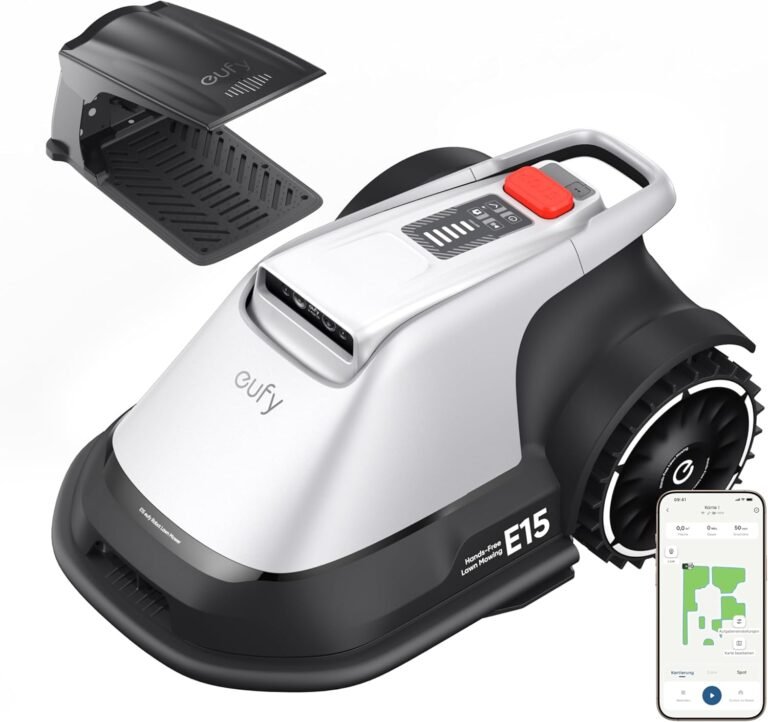
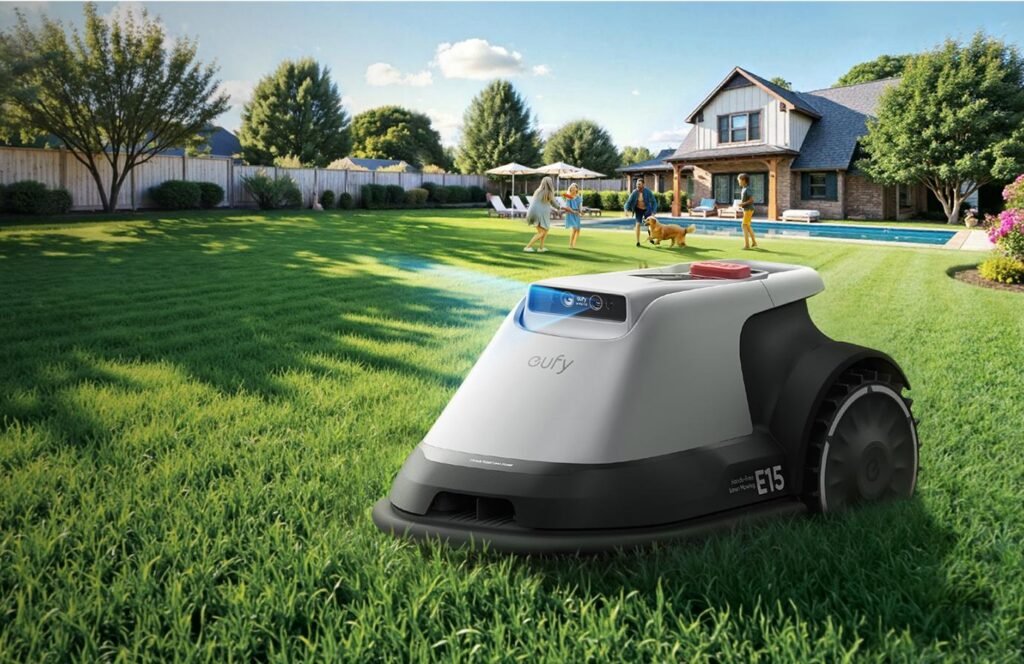
Considering a wire-free robotic lawn mower? The eufy Robotic Lawnmower E15 is one model worth researching if you want an automated approach to lawn maintenance. Read our eufy E15 robotic lawn mower review to explore its features, suitability, advantages, and limitations before deciding whether it fits your garden.
Explore our robotic lawn mower reviews to compare available options and find a model that fits your garden maintenance needs.
Read Our Robotic Lawn Mower Reviews
10. Create a Simple Garden Maintenance Routine
You do not need to spend hours in your garden every day to keep it looking good.
A simple routine can help you stay on top of the most important tasks.
Weekly tasks
- Inspect the lawn and remove debris.
- Check plants for weeds, pests, or signs of stress.
- Water when necessary.
- Trim lawn edges if required.
- Check garden tools and equipment.
Monthly tasks
- Inspect shrubs and hedges.
- Check the condition of your lawn.
- Clean and inspect mowing equipment.
- Review your watering routine.
- Look for drainage problems or damaged garden features.
Seasonal tasks
- Prepare the garden for spring growth.
- Adjust lawn care during summer heat.
- Clear fallen leaves in autumn.
- Protect sensitive plants and store equipment appropriately for winter.
Adjust this checklist to your garden size, climate, soil, and plant varieties.
Final Thoughts
Maintaining a beautiful garden is easier when you follow a regular routine and use the right equipment.
Simple habits such as mowing correctly, watering appropriately, controlling weeds, feeding plants when needed, and maintaining garden tools can help keep your outdoor space healthy throughout the year.
If lawn mowing takes up too much of your free time, a robotic lawn mower may be worth considering. It can handle regular trimming automatically, allowing you to focus on other parts of your garden.
Before buying, compare the available models carefully and consider your lawn size, garden layout, navigation requirements, and maintenance costs.
Ready to make lawn maintenance easier? Explore our robotic lawn mower reviews to discover the features, benefits, and limitations of different models before choosing the right one for your garden.