How to Prepare Your Lawn for Winter: 10 Essential Tips
A healthy, green lawn makes any garden look more attractive. However, maintaining beautiful grass throughout the year requires a little preparation, especially when colder weather arrives.
During autumn and winter, lawns face several challenges. Falling leaves, heavy rainfall, frost, shorter daylight hours, and lower temperatures can all affect grass growth and condition.
The good news is that a few simple steps can help protect your lawn during the colder months and prepare it for healthy growth when spring returns.
So, how do you prepare your lawn for winter?
In this guide, we share 10 practical winter lawn care tips, covering everything from the final mowing session and leaf removal to fertilising, drainage, and lawn mower maintenance.
Why Is Winter Lawn Preparation Important?
Grass growth slows down significantly as temperatures fall. During winter, many lawns enter a period of reduced growth and become less able to recover from damage.
Excess moisture, fallen leaves, frost, and compacted soil can create additional problems.
Preparing your lawn before winter helps you:
- Reduce the risk of damage from accumulated leaves.
- Maintain better air circulation around the grass.
- Improve soil drainage where necessary.
- Protect grass roots during colder weather.
- Address bare patches before spring.
- Keep your garden in better condition for the next growing season.
You do not need complicated equipment or expensive treatments. Most winter lawn preparation involves simple maintenance tasks.
1. Give Your Lawn Its Final Mowing Before Winter
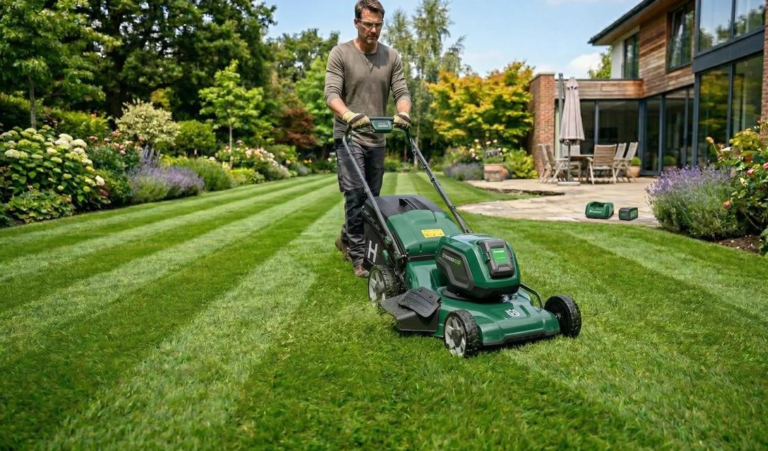
One of the most important parts of autumn lawn care is getting the final mowing height right.
As temperatures decrease, grass grows more slowly. However, it may continue growing during mild autumn and early winter weather.
For many residential lawns, a final cutting height of approximately 4–5 cm is a reasonable starting point, depending on the grass variety and local conditions.
Avoid cutting your grass extremely short.
Grass that is cut too short may become more vulnerable to winter stress. On the other hand, leaving it excessively long can cause the blades to bend, mat together, and become more susceptible to damage.
Here are a few useful tips:
- Reduce mowing frequency as grass growth slows.
- Use a slightly higher cutting setting than during summer.
- Avoid removing more than one-third of the grass height at once.
- Never mow frozen or waterlogged grass.
- Keep mower blades sharp for a clean cut.
There is no fixed date for the last lawn mowing of the year. Continue mowing only while the grass is actively growing and conditions are suitable.
Tip: If you are unsure about your mowing schedule, read our guide on how often you should mow your lawn.
2. Remove Fallen Leaves Regularly

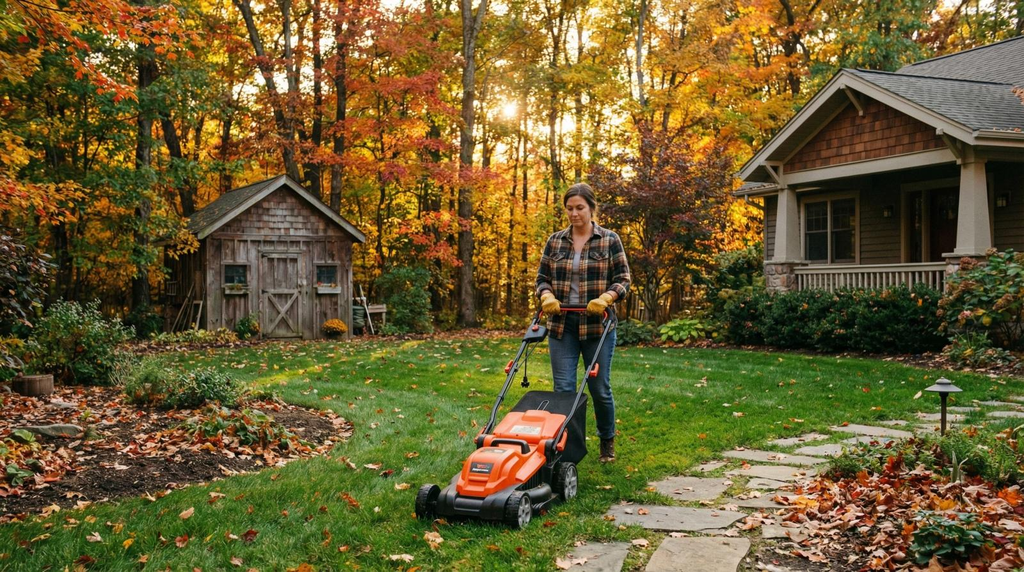
Autumn leaves can make your garden look beautiful, but leaving a thick layer of them on your lawn can cause problems.
When wet leaves accumulate, they can block sunlight and reduce airflow around the grass.
Over time, this can weaken the lawn and encourage moss or fungal problems.
To prevent this:
- Rake fallen leaves regularly.
- Remove wet and compacted leaf piles.
- Pay particular attention to areas beneath large trees.
- Clear leaves from garden paths and drains.
- Compost suitable leaves or use them as mulch in garden beds.
You do not necessarily need to remove every fallen leaf from your entire garden.
Leaving some leaves beneath shrubs or in suitable garden areas can provide shelter for insects and other wildlife. The important thing is to avoid allowing thick layers to cover the grass.
For larger gardens, a leaf blower or garden vacuum can make this task easier.
3. Apply the Right Autumn Lawn Fertiliser
Your lawn may benefit from an appropriate autumn fertiliser before winter arrives.
Unlike many summer lawn feeds, autumn fertilisers are generally formulated with less nitrogen and more potassium to support root development and improve the grass’s ability to cope with colder conditions.
Potassium plays an important role in plant function and stress tolerance.
Before applying fertiliser, consider the following:
- Choose a product specifically formulated for autumn lawn care.
- Follow the recommended application rate.
- Avoid using leftover summer fertiliser without checking its composition.
- Apply only when soil and weather conditions are suitable.
- Do not fertilise frozen or waterlogged ground.
Timing is important. Autumn fertiliser is generally applied during autumn, while the grass is still able to take up nutrients.
If you have missed the recommended application period, do not automatically apply fertiliser in winter. Check the product instructions and wait for suitable conditions.
You should also avoid fertilising simply because the calendar says it is time. A healthy lawn may not need additional nutrients every year.
4. Aerate the Soil to Improve Drainage
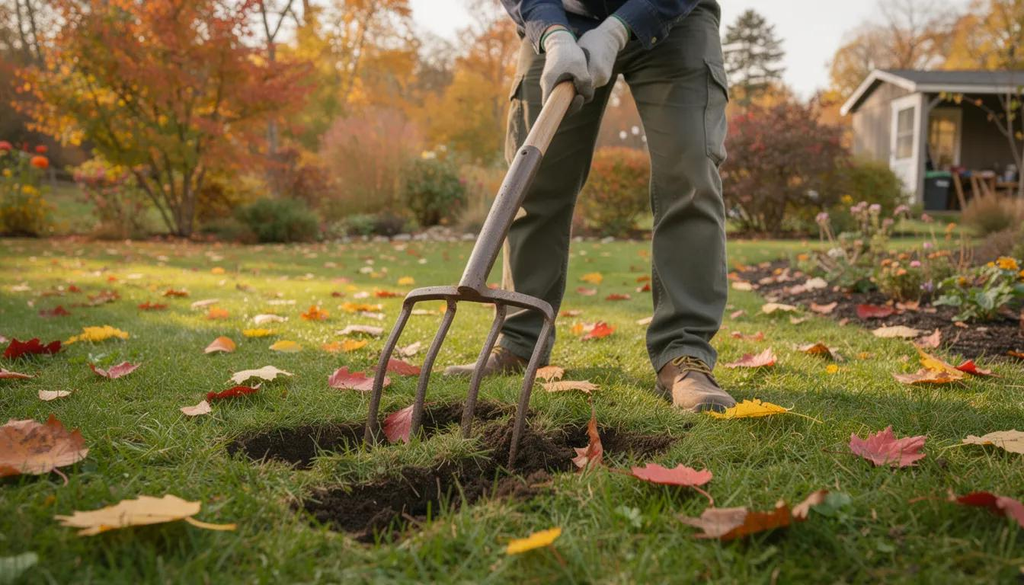
Heavy rainfall during autumn and winter can leave some lawns waterlogged.
This is particularly common in gardens with compacted or clay-heavy soil.
When soil becomes compacted, water and air have more difficulty moving through it. Grass roots may struggle to access the oxygen and moisture they need.
Lawn aeration can help improve these conditions.
For smaller gardens, you can use an ordinary garden fork:
- Insert the fork into the lawn.
- Push it approximately 10–15 cm into the soil, where practical.
- Gently move it backwards and forwards to create small openings.
- Repeat across compacted areas.
For larger lawns, a dedicated lawn aerator may be more practical.
Aeration is most useful when the soil is moist but not waterlogged.
Important: Aeration is generally best completed during suitable growing conditions in autumn or spring. If your lawn is already saturated, frozen, or damaged, postpone the work rather than making the condition worse.
5. Remove Moss and Excess Lawn Thatch
Moss and thatch can become noticeable during damp autumn weather.
Thatch is a layer of dead grass, roots, and other organic material that accumulates between the soil and living grass.
A small amount is normal, but excessive thatch can interfere with water movement and airflow.
If your lawn has significant moss or thatch, autumn can be a suitable time to address the problem, provided the grass is actively growing and conditions are favourable.
You can use a spring-tine rake to remove loose material from smaller lawns.
For larger areas, a mechanical scarifier may be more effective.
However, scarifying can temporarily make your lawn look damaged because it removes moss and dead material along with some grass.
Keep these points in mind:
- Avoid aggressive scarifying.
- Do not scarify frozen or waterlogged ground.
- Allow enough suitable growing weather for recovery.
- Address the underlying cause of moss, such as shade, poor drainage, or compacted soil.
If it is already late autumn and temperatures are low, it may be better to postpone intensive scarifying until spring.
6. Repair Bare Patches Before Winter
Autumn can be a good time to repair damaged or bare areas of your lawn.
Bare patches may appear because of heavy foot traffic, pets, drought, fungal problems, or poor growing conditions.
Small damaged areas can sometimes recover with a little attention.
Consider these steps:
- Remove dead grass and loose debris.
- Gently loosen the soil surface.
- Add suitable lawn seed if conditions allow.
- Follow the seed manufacturer’s instructions.
- Keep newly seeded areas appropriately moist.
Grass seed needs suitable soil temperatures and enough time to establish before colder weather arrives.
In many climates, early autumn offers better conditions for lawn repairs than late autumn or winter.
If the ground is already too cold, wet, or frosty, wait until spring rather than expecting new grass to establish successfully.
7. Avoid Walking on Frozen or Waterlogged Grass
This is a simple but often overlooked winter lawn care tip.
When grass is frozen, its blades become more vulnerable to physical damage. Walking over a frosty lawn can break or crush the grass.
Similarly, walking repeatedly over waterlogged ground can compact the soil and damage the lawn surface.
Try to:
- Avoid unnecessary walking on frozen grass.
- Keep children and pets off particularly wet lawn areas where possible.
- Use garden paths instead of crossing the lawn.
- Avoid moving heavy garden equipment over soft ground.
- Postpone mowing and other maintenance when conditions are unsuitable.
If you notice white frost covering your lawn, wait until it has thawed before walking or working on it.
8. Keep Garden Drainage and Lawn Edges Clear
Good drainage is particularly important during the colder months.
Blocked drains, accumulated leaves, and compacted soil can contribute to standing water.
Before winter arrives, inspect your garden for areas where water tends to collect.
A few simple maintenance tasks can help:
- Clear leaves from drains and drainage channels.
- Remove debris from garden paths.
- Check whether water flows away from the lawn properly.
- Inspect low spots where puddles frequently form.
- Keep lawn edges tidy.
If a particular area repeatedly becomes waterlogged, simply aerating the surface may not solve the underlying problem.
Poor drainage can sometimes require changes to the soil structure, grading, or installation of a suitable drainage system.
9. Clean and Store Your Lawn Mower Properly
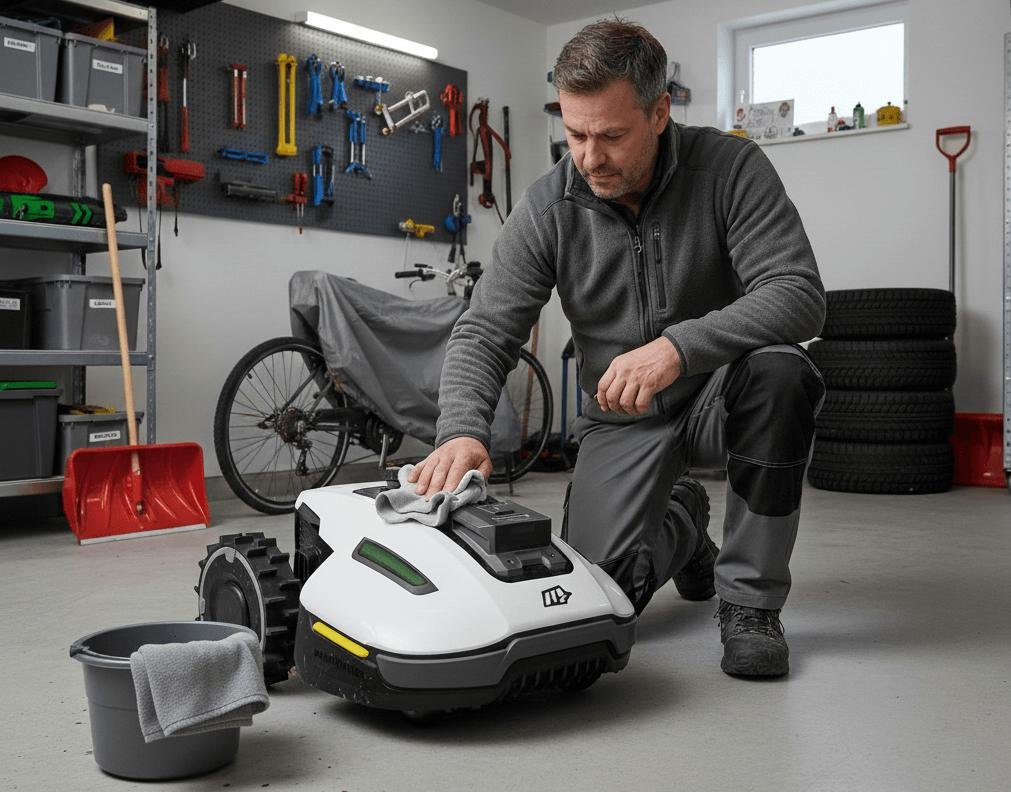
Winter is also a good time to look after your lawn mower.
Whether you use a cordless mower or a robotic lawn mower, proper cleaning and storage can help protect the equipment and prepare it for the next growing season.
For Cordless Lawn Mowers
Before storing your cordless lawn mower:
- Remove grass clippings and dirt from the mower.
- Inspect the cutting blade for damage.
- Clean the grass collection basket.
- Check the wheels and cutting-height adjustment.
- Store the mower in a dry, sheltered place.
- Follow the manufacturer’s battery storage instructions.
For battery-powered models, avoid storing batteries in unsuitable temperatures or leaving them discharged for extended periods. Follow the manufacturer’s recommended charge level and storage conditions.
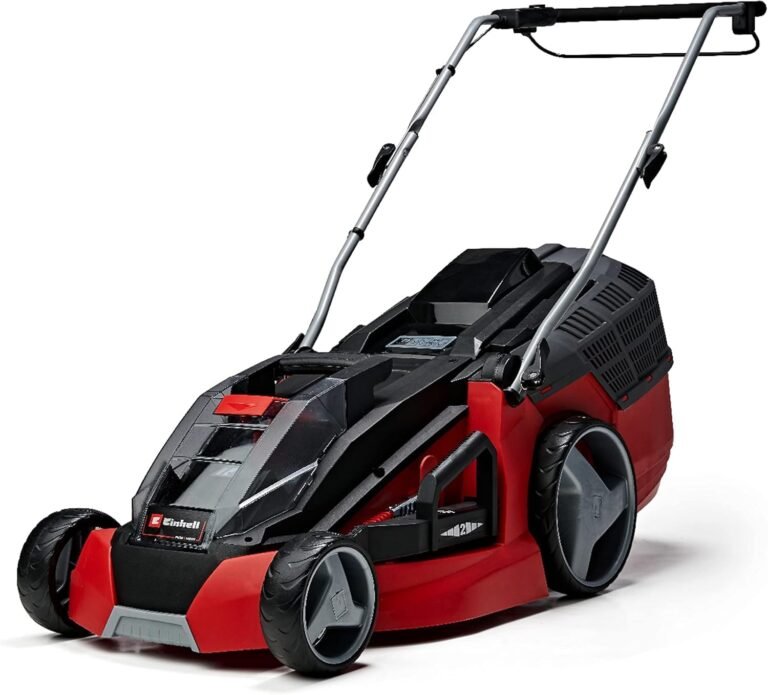
If you own a traditional cordless mower, our Einhell GE-CM 43 Li M cordless lawn mower review provides a closer look at one battery-powered option for regular garden maintenance.
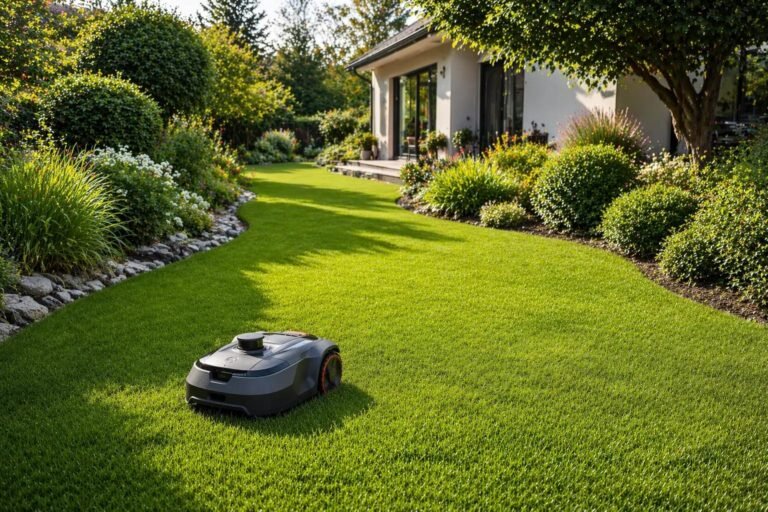
For Robotic Lawn Mowers
Robotic lawn mowers also require attention before winter.
Depending on the model, winter preparation may include:
- Cleaning the mower underneath and around the wheels.
- Inspecting and replacing worn blades.
- Cleaning the charging contacts.
- Removing grass and dirt from the housing.
- Storing the mower in a dry, protected location.
- Following the manufacturer’s battery charging and storage instructions.
You should also check the charging station and accessories.
Some manufacturers offer protective garages, but a garage does not necessarily make a robotic mower suitable for continuous winter operation.
Always follow the instructions for your particular model.
If you are considering an automatic lawn mower for next year’s growing season, explore our best robotic lawn mowers comparison guide before choosing a model.
10. Prepare Your Lawn for a Healthy Spring
Winter is generally a quieter period for lawn maintenance, but a little attention can make spring preparation easier.
Rather than carrying out unnecessary work during cold weather, focus on protecting the lawn and monitoring its condition.
During winter:
- Remove heavy accumulations of fallen leaves.
- Keep garden drains and paths clear.
- Avoid mowing frozen or waterlogged grass.
- Check for standing water after heavy rainfall.
- Keep stored lawn equipment protected.
- Avoid unnecessary fertilising or aggressive lawn treatments.
When spring arrives and grass growth resumes, inspect the lawn for bare patches, moss, and areas that may need attention.
You can then gradually restart regular mowing and other maintenance activities.
Winter Lawn Care Checklist
If you want a quick overview, use this simple checklist before winter arrives.
| Task | Why It Matters |
|---|---|
| Final lawn mowing | Keeps grass at a suitable height |
| Remove fallen leaves | Prevents grass from being covered |
| Apply autumn fertiliser if needed | Supports lawn health before winter |
| Aerate compacted soil | Helps improve air and water movement |
| Remove excessive moss and thatch | Reduces accumulated organic material |
| Repair bare patches | Helps prepare for spring growth |
| Avoid walking on frozen grass | Reduces physical damage |
| Clear drains and pathways | Helps prevent water accumulation |
| Clean lawn mower | Removes grass and dirt before storage |
| Store batteries properly | Helps protect battery condition |
You do not need to complete every task regardless of conditions. Prioritise the work your lawn actually needs and postpone anything that could damage the grass in unsuitable weather.
Final Thoughts
Preparing your lawn for winter does not have to be complicated.
A few simple tasks, such as removing fallen leaves, mowing at an appropriate height, checking drainage, and cleaning your lawn mower, can make a difference to how your garden comes through the colder months.
Remember that the best winter lawn care routine depends on your local climate, soil conditions, and grass variety. Avoid unnecessary mowing, fertilising, or scarifying when the weather is unsuitable.
If you use a cordless or robotic lawn mower, take some time to clean and store it properly before the next growing season.
With a little preparation now, you can look forward to a healthier-looking lawn when spring returns.
For more lawn care advice, explore our garden maintenance guide and robotic lawn mower reviews to discover practical ways to maintain your garden throughout the year.