

Top 10 Incurable Diseases
Modern medicine has done much to eradicate and cure disease, but it has failed in some areas. Of those areas, at least one disease that cannot be cured is suffered by many people in the world every year. Wonderside will present you a list of the top ten incurable diseases. Number one will definitely amaze you.
10. Ebola
Ebola is a virus of the family Filoviridae that is responsible for a severe and often fatal viral hemorrhagic fever; outbreaks in primates such as gorillas and chimpanzees as well as humans have been recorded. The disease is characterized by extreme fever, rash, and profuse hemorrhaging. In humans, fatality rates range from 50 to 90 percent. 
The virus takes its name from the Ebola River in the northern Congo basin of central Africa, where it first emerged in 1976.
9. Polio
Polio is known in full as poliomyelitis – also called infantile paralysis. It is an acute viral infectious disease of the nervous system that usually begins with general symptoms such as fever, headache, nausea, fatigue, and muscle pains and spasms and is sometimes followed by a more serious and permanent paralysis of muscles in one or more limbs, the throat, or the chest. More than half of all cases of polio occur in children under the age of five.

The paralysis so commonly associated with the disease actually affects fewer than 1 percent of persons infected by the poliovirus.
8. Lupus Erythematosus
Also often referred to simply as lupus, this is an autoimmune disorder that causes chronic inflammation in various parts of the body. Three main types of lupus are recognized—discoid, systemic, and drug-induced.
 Discoid lupus affects only the skin and does not usually involve internal organs.
7. Influenza
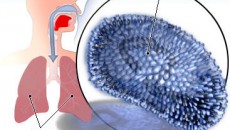
Influenza, also known as the flu, or grippe, is an acute viral infection of the upper or lower respiratory tract that is marked by fever, chills, and a generalized feeling of weakness and pain in the muscles, together with varying degrees of soreness in the head and abdomen.
6. Creutzfeldt-Jakob Disease
Creutzfeldt-Jakob disease is a rare fatal degenerative disease of the central nervous system. Creutzfeldt-Jakob disease occurs throughout the world at an incidence of one person in a million; however, among certain populations, such as Libyan Jews, rates are somewhat higher.
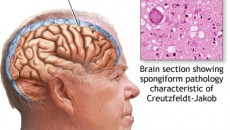 The disease commonly occurs in adults between the ages of 40 and 70, although some young adults have been stricken with the disease.
5. Diabetes
Diabetes is a disorder of carbohydrate metabolism characterized by impaired ability of the body to produce or respond to insulin and thereby maintain proper levels of sugar (glucose) in the blood.

There are two major forms of the disease. Type I diabetes formerly referred to as insulin-dependent diabetes mellitus (IDDM) and juvenile-onset diabetes, usually arises in childhood. Get some Jogging Tips Every Runner Should Know.
4. HIV/AIDS
AIDS is the byname of acquired immunodeficiency syndrome – a transmissible disease of the immune system caused by the human immunodeficiency virus (HIV). HIV slowly attacks and destroys the immune system, the body’s defense against infection, leaving an individual vulnerable to a variety of other infections and certain malignancies that eventually cause death.
 AIDS is the final stage of HIV infection, during which time fatal infections and cancers frequently arise.
3. Asthma
Asthma is a chronic disorder of the lungs in which inflamed airways are prone to constrict, causing episodes of breathlessness, wheezing, coughing, and chest tightness that range in severity from mild to life-threatening. Inflamed airways become hypersensitive to a variety of stimuli, including dust mites, animal dander, pollen, air pollution, cigarette smoke, medications, weather conditions, and exercise. Stress can exacerbate symptoms.

2. Cancer
Cancer refers to a group of more than 100 distinct diseases characterized by the uncontrolled growth of abnormal cells in the body. Cancer affects one in every three persons born in developed countries and is a major cause of sickness and death throughout the world.
 Though it has been known since antiquity, significant improvements in cancer treatment have been made since the middle of the 20th century, mainly through a combination of timely and accurate diagnosis, selective surgery, radiation therapy, and chemotherapeutic drugs.
1. The Common Cold
The common cold is an acute viral infection that starts in the upper respiratory tract, sometimes spreads to the lower structures, and may cause secondary infections in the eyes or middle ears. More than 100 agents cause the common cold, including parainfluenza, influenza, respiratory syncytial viruses, and reoviruses. Rhinoviruses, however, are the most frequent cause.

©Wonderside.net